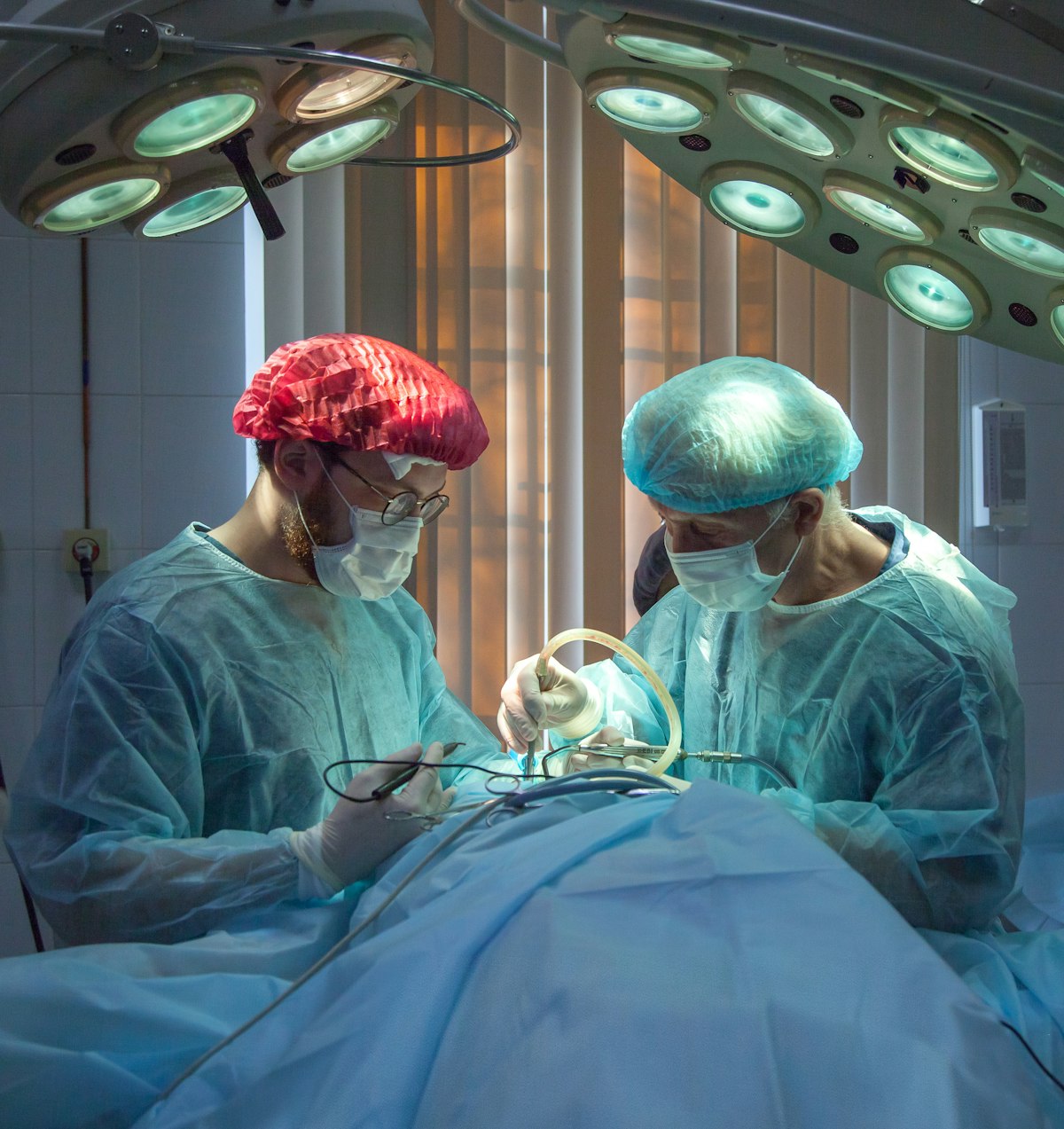
From cholecystectomy to cardiac valve repair, minimally invasive techniques have become standard of care for an ever-expanding list of procedures. This article provides a comprehensive, evidence-based review of the latest developments, clinical outcomes, and implications for healthcare professionals and patients.
Background and Clinical Context
The field of surgical innovations has undergone transformative change over the past decade. Advances in technology, genomics, pharmacology, and digital health have converged to create treatment approaches that were unimaginable just a few years ago. Understanding these developments is essential for healthcare professionals seeking to provide optimal patient care.
Clinical evidence continues to accumulate at an accelerating pace. Landmark randomized controlled trials, real-world observational studies, and meta-analyses are reshaping clinical guidelines and practice patterns across specialties. The implications extend from academic medical centers to community hospitals, long-term care facilities, and home health settings.
Key Advances and Innovations
Multiple converging innovations are driving progress in this area. Artificial intelligence and machine learning are enhancing diagnostic accuracy and enabling precision treatment approaches. Minimally invasive techniques are reducing procedure-related morbidity and accelerating recovery. Novel pharmacological agents with improved efficacy and safety profiles are expanding therapeutic options for previously treatment-resistant conditions.
Point-of-care diagnostics and remote monitoring technologies are extending high-quality care beyond hospital walls, enabling earlier intervention and more personalized management. These advances are particularly impactful for patients in rural and underserved communities who previously had limited access to specialist care.
What the Evidence Shows
A comprehensive review of published literature reveals consistent themes: technology-mediated interventions are demonstrating clinical efficacy comparable to or exceeding conventional approaches, often with superior safety profiles and patient satisfaction. Multi-center randomized trials and systematic reviews published in leading journals including JAMA, NEJM, The Lancet, and Nature Medicine provide a robust evidence base for clinical decision-making.
Patient selection remains critically important. The strongest evidence supports these interventions in carefully defined patient populations with appropriate clinical indications. Proper patient evaluation, multidisciplinary team involvement, and individualized risk-benefit assessment are essential components of optimal care delivery.
Essential Medical Supplies and Equipment
Healthcare facilities implementing these advances require appropriate medical supplies and equipment to support clinical programs. OR & Surgery supplies, PPE supplies, Wound Care supplies, and related supplies from trusted manufacturers are available through Healix Medical Supply with same-day shipping on most orders. Our clinical product specialists can assist with supply selection, formulary development, and volume pricing.
Looking Forward
The pace of innovation in surgical innovations shows no signs of slowing. Emerging technologies in the pipeline — from AI-assisted diagnostics to next-generation therapeutic agents — promise to further expand what is clinically achievable. Healthcare facilities that invest in staff education, appropriate equipment, and optimized supply chains will be best positioned to deliver these advances to their patient populations.
For healthcare professionals seeking the highest quality medical supplies to support their clinical programs, contact Healix Medical Supply at (877) 699-4365 or browse our complete catalog of FDA-cleared medical supplies.